

Optimising Remote Childcare with Virtual Childcare Design Advice

Creating a nurturing and efficient childcare environment is a rewarding challenge. When we think about optimising childcare spaces, especially in remote or regional areas, the task can feel even more complex. How do we ensure that every corner of a childcare centre supports learning, safety, and comfort? How can we bring expert design advice right to our doorstep, no matter where we are? This is where virtual childcare design advice steps in, transforming the way we plan and improve early learning environments.
Why Virtual Childcare Design Advice Matters
Designing a childcare space is about more than just aesthetics. It’s about creating a place where children feel safe, curious, and inspired. For childcare service owners, architects, builders, and families, having access to expert guidance can make all the difference. Virtual childcare design advice offers a flexible, accessible way to tap into professional insights without the need for in-person visits.
By embracing virtual consultations, we can:
Save time and reduce travel costs
Access specialised expertise regardless of location
Collaborate more easily with designers and consultants
Quickly adapt spaces to meet changing regulations and needs
Imagine being able to discuss your childcare space layout, safety features, and learning zones with a consultant who understands the latest standards and trends, all from your own office or home. This approach not only streamlines the process but also ensures that every decision is informed and intentional.
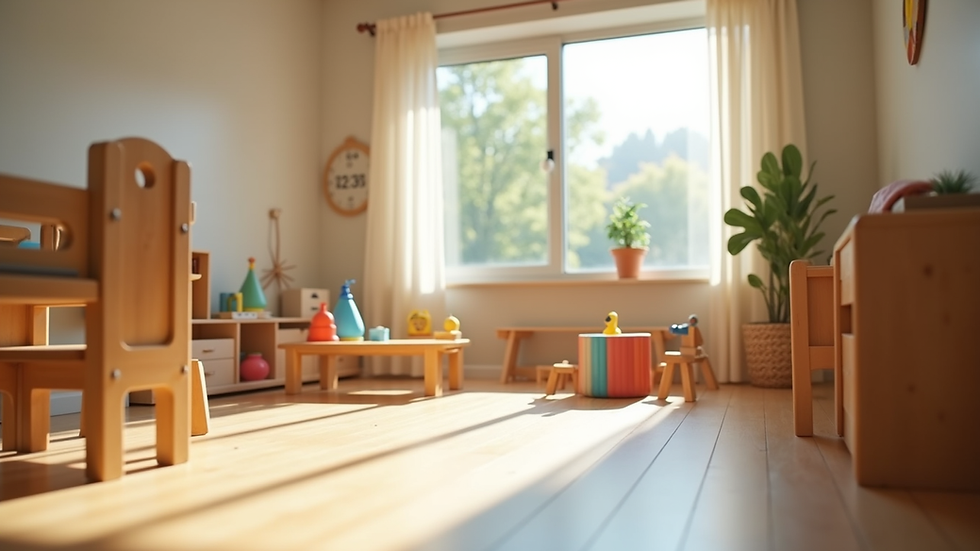
How Virtual Childcare Design Advice Enhances Early Learning Environments
When we engage with virtual childcare design advice, we open the door to tailored solutions that fit our unique settings. Whether we’re working on a new build or refreshing an existing space, expert input can help us:
Maximise natural light and ventilation to create healthy environments
Choose durable, child-friendly materials that meet safety standards
Design flexible spaces that support different activities and age groups
Incorporate storage solutions that keep the environment organised and clutter-free
Plan outdoor areas that encourage exploration and physical activity
For example, a virtual consultation might reveal that repositioning a play area near a window not only brightens the space but also connects children with the outdoors. Or, it might suggest specific furniture layouts that improve supervision and interaction between educators and children.
These insights come from professionals who understand the nuances of early childhood development and regulatory compliance. By working together remotely, we can ensure that every design choice supports the wellbeing and growth of the children in our care.
Practical Steps to Prepare for Your Virtual Childcare Design Consultation
To get the most out of a remote childcare design consultation, preparation is key. Here are some practical steps we can take before the session:
Gather Floor Plans and Photos
Having clear, up-to-date floor plans and photos of the current space helps the consultant understand the layout and identify opportunities.
List Your Priorities and Challenges
What are the main goals for your childcare environment? Are there specific issues you want to address, such as safety concerns or space limitations?
Consider Your Budget and Timeline
Being upfront about financial and scheduling constraints allows the consultant to tailor recommendations accordingly.
Prepare Questions and Ideas
Think about what you want to learn or explore during the consultation. This might include materials, furniture, lighting, or outdoor play areas.
Ensure a Reliable Internet Connection
A smooth virtual meeting depends on good connectivity, so test your setup beforehand.
By approaching the consultation with clear information and an open mind, we can make the session productive and inspiring.

Making the Most of Remote Childcare Design Consultation
Engaging in a remote childcare design consultation allows us to collaborate closely with experts who bring fresh perspectives and practical solutions. Here are some tips to maximise the benefits:
Be Open to New Ideas
Sometimes, the best solutions come from unexpected suggestions. Let’s stay curious and flexible.
Take Notes and Ask for Clarifications
Writing down key points helps us remember details and follow up on recommendations.
Request Visual Aids and Examples
Diagrams, mood boards, and product samples can make concepts clearer and easier to visualise.
Plan Follow-Up Sessions
Design is an evolving process. Scheduling additional consultations can help us refine plans and address new questions.
Involve Your Team
Sharing insights with educators, staff, and families ensures that the design supports everyone’s needs.
By embracing these practices, we can turn virtual consultations into a powerful tool for creating childcare spaces that truly work.
Looking Ahead: The Future of Childcare Design
As we continue to adapt to changing times, virtual childcare design advice is becoming an essential part of how we build and improve early learning environments. It breaks down geographical barriers and brings expert knowledge directly to us, no matter where we are in Australia.
This approach aligns perfectly with the goal of elevating the early years sector by ensuring that every childcare space is high-quality, compliant, and child-centred. Together, we can create environments that inspire children, support educators, and give families peace of mind.
Let’s embrace the possibilities of virtual design consultations and take confident steps towards better childcare spaces for all.
By integrating virtual childcare design advice into our planning and development, we open up new opportunities for innovation and excellence. Whether we’re starting fresh or enhancing existing facilities, this approach helps us create spaces where children thrive and communities grow stronger.


Comments