

Childcare Placement: Creating the Perfect Early Learning Environment
- Lisa Taskov
- Mar 16
- 4 min read

Updated: Apr 7
Finding the Right Childcare Placement: A Journey Towards Quality Early Learning
Finding the right childcare placement is a journey filled with hope, questions, and important decisions. We want to ensure that every child thrives in a safe, nurturing, and inspiring environment. Together, we can explore how to create and choose childcare settings that support children’s growth and families’ peace of mind. Let’s walk through the essential steps and considerations that help us build and find the best early learning spaces.
Understanding the Importance of Childcare Placement
Childcare placement is more than just finding a spot for a child during the day. It’s about selecting a place where children feel secure, loved, and encouraged to explore. When we think about childcare placement, we consider:
The quality of care and education provided
The physical environment and safety standards
The qualifications and warmth of the educators
The alignment with family values and routines
By focusing on these factors, we create a foundation that supports children’s development and wellbeing. For example, a well-designed outdoor play area encourages physical activity and social interaction, while a calm, organised indoor space fosters concentration and creativity.
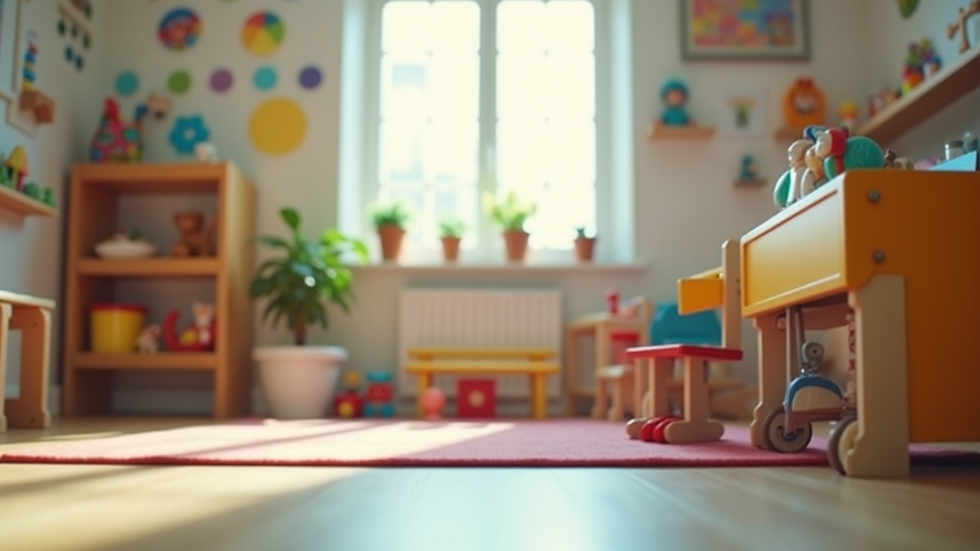
Key Features of High-Quality Childcare Environments
When designing or choosing a childcare placement, certain features stand out as essential. These features not only meet regulatory requirements but also enhance the daily experience for children and educators alike. Here are some key elements to consider:
Safety and Compliance
Ensuring the environment meets all safety standards is non-negotiable. This includes secure fencing, safe furniture, and clear emergency procedures.
Age-Appropriate Spaces
Different age groups have unique needs. Separate areas for infants, toddlers, and preschoolers allow for tailored activities and equipment.
Natural Light and Ventilation
Spaces filled with natural light and fresh air promote health and wellbeing. Large windows and good airflow make a big difference.
Flexible Learning Areas
Areas that can be adapted for various activities encourage creativity and engagement. Movable furniture and open spaces support this flexibility.
Outdoor Play and Nature Access
Outdoor environments rich in natural elements like plants, sand, and water stimulate curiosity and physical development.
By prioritising these features, we create childcare settings that are not only functional but also joyful and inspiring.
How to Choose the Right Childcare Placement for Your Family
Choosing the right childcare placement can feel overwhelming, but breaking it down into manageable steps helps us make confident decisions. Here’s a practical approach:
Visit Multiple Centres
Seeing different environments in person gives a real sense of the atmosphere and care style.
Ask Questions
Inquire about educator qualifications, daily routines, child-to-staff ratios, and how they handle behaviour and emergencies.
Observe Interactions
Watch how educators engage with children. Warm, responsive interactions are a good sign of quality care.
Consider Location and Hours
Convenience matters. Think about travel time and whether the hours fit your family’s schedule.
Check Reviews and References
Hearing from other families can provide valuable insights.
Remember, the perfect childcare placement is one where children feel happy and secure, and families feel supported and informed.

Designing Childcare Spaces That Inspire Learning and Growth
Creating a childcare environment that supports early learning requires thoughtful design. We want spaces that invite exploration, encourage independence, and foster social connections. Here are some design tips that help achieve this:
Use Warm, Soothing Colours
Soft colours create a calm atmosphere, while pops of bright colours can stimulate interest.
Incorporate Natural Materials
Wood, cotton, and plants bring a sense of nature indoors and provide sensory experiences.
Create Defined Zones
Separate areas for quiet reading, messy play, and group activities help children understand routines and expectations.
Ensure Accessibility
Furniture and resources should be child-sized and easy to reach, promoting autonomy.
Include Family Spaces
Areas where families can connect with educators and feel welcome strengthen community ties.
By focusing on these design principles, we can build childcare environments that truly support children’s holistic development.
Supporting Families Through the Childcare Placement Process
Finding the right childcare placement is a partnership between families and providers. We can support families by:
Offering clear, honest communication about what to expect
Providing tours and trial days to ease transitions
Sharing resources about child development and parenting
Listening to family needs and preferences with empathy
This collaborative approach helps families feel confident and reassured. It also ensures that children’s unique needs are met, creating a positive start to their early learning journey.
Looking Ahead: Elevating Early Learning Together
As we continue to focus on childcare placement and design, we have the opportunity to elevate the entire early years sector. By prioritising quality, safety, and inclusivity, we create environments where every child can flourish. Together, we can build a future where families find the perfect childcare with ease, and providers deliver exceptional care and education.
If you want to learn more about creating high-quality childcare environments or need guidance on placement, consider reaching out to experts who specialise in this field. Their knowledge and experience can make all the difference in shaping early learning spaces that truly support children and families.
Let’s keep working together to make childcare a joyful, enriching experience for all.


Comments